Two of the more underserved areas of psychiatric practice are premenstrual dysphoric disorder and anger-related conditions. Both are common. Both cause significant distress and functional impairment. And both are frequently dismissed, minimised, or inadequately treated because they do not fit neatly into the categories that dominate public conversations about mental health.
This article addresses both conditions in the context of what modern psychiatry can offer: what they are, how they are diagnosed and treated, and why accessing proper psychiatric care makes a meaningful difference to outcomes for people dealing with either or both.
PMDD: A Condition That Deserves Proper Attention
Premenstrual dysphoric disorder is a severe form of premenstrual syndrome characterised by significant mood symptoms that occur in the week before menstruation and resolve within a few days of its onset. The core symptoms, marked mood swings, intense irritability or anger, depressed mood, and anxiety or tension, are severe enough to interfere substantially with daily functioning.
According to the National Institute of Mental Health, women’s mental health encompasses a range of conditions that are specific to or more prevalent in women, including PMDD, perinatal mood disorders, and the effects of hormonal transitions on mental health. PMDD falls squarely within this domain: it is a condition specific to women of reproductive age, hormonally mediated, and significantly undertreated relative to its prevalence and severity.
For women seeking PMDD treatment near me, the first step is finding a provider who takes the condition seriously, conducts the prospective symptom tracking needed for accurate diagnosis, and has experience with the full range of treatment options.

Diagnosing PMDD Accurately
PMDD diagnosis requires documenting the cyclical pattern of symptoms prospectively, meaning symptoms need to be tracked daily across at least two menstrual cycles before a diagnosis can be confirmed. This is not an arbitrary bureaucratic requirement but a clinical necessity: many conditions can cause mood symptoms that worsen premenstrually without meeting the full criteria for PMDD, and treating these conditions requires different approaches.
The prospective tracking phase typically involves a daily symptom diary covering the frequency and severity of both mood and physical symptoms across the full menstrual cycle. This diary becomes the foundation of the diagnostic evaluation, providing objective evidence of the cyclical pattern that distinguishes PMDD from other conditions.
A comprehensive evaluation also rules out conditions that can mimic or worsen with PMDD, including major depressive disorder with premenstrual exacerbation, bipolar disorder, thyroid dysfunction, and other hormonal conditions. The diagnostic process is thorough because getting it right determines which treatment will be most effective.
Effective PMDD Treatments
SSRIs are the most evidence-based pharmacological treatment for PMDD, with a well-established body of clinical trials demonstrating significant symptom reduction compared to placebo. Unlike their use in depression, SSRIs for PMDD can be used intermittently, taken only during the luteal phase of the cycle, as well as continuously. This flexibility is clinically meaningful because it allows tailoring of medication exposure to the phase of the cycle when symptoms occur.
For patients who do not respond adequately to SSRIs, other options include oral contraceptives with specific formulations that have demonstrated PMDD efficacy, gonadotropin-releasing hormone agonists for more severe presentations, and combination approaches. The management of treatment-resistant PMDD requires a psychiatrist with expertise in the intersection of psychiatry and reproductive health.
Lifestyle interventions, including regular aerobic exercise, consistent sleep, stress management, and dietary adjustments, can meaningfully reduce symptom severity as complements to medication. A comprehensive treatment plan addresses both dimensions.
Anger-Related Conditions and What Medication Can Offer
Anger that is frequent, intense, poorly controlled, and causing significant harm to relationships, work, or wellbeing is not simply a character flaw or a personality trait. It is a symptom that often reflects an underlying psychiatric condition and that can be addressed with appropriate clinical intervention.
The most important first step in addressing anger problems psychiatrically is identifying the underlying condition. Chronic problematic anger co-occurs with or is a feature of many psychiatric diagnoses, including depression, bipolar disorder, PTSD, ADHD, impulse control disorders, and others. Effective treatment targets the underlying condition rather than the anger symptom in isolation.
For medication for anger management, SSRIs are among the most commonly prescribed agents, particularly when anger occurs in the context of depression or anxiety. Mood stabilisers address anger associated with bipolar disorder or mood instability. Atypical antipsychotics at low doses can reduce impulsivity and agitation. Stimulants or non-stimulant ADHD medications can significantly reduce irritability and emotional dysregulation in patients with ADHD.
The Connection Between PMDD and Anger
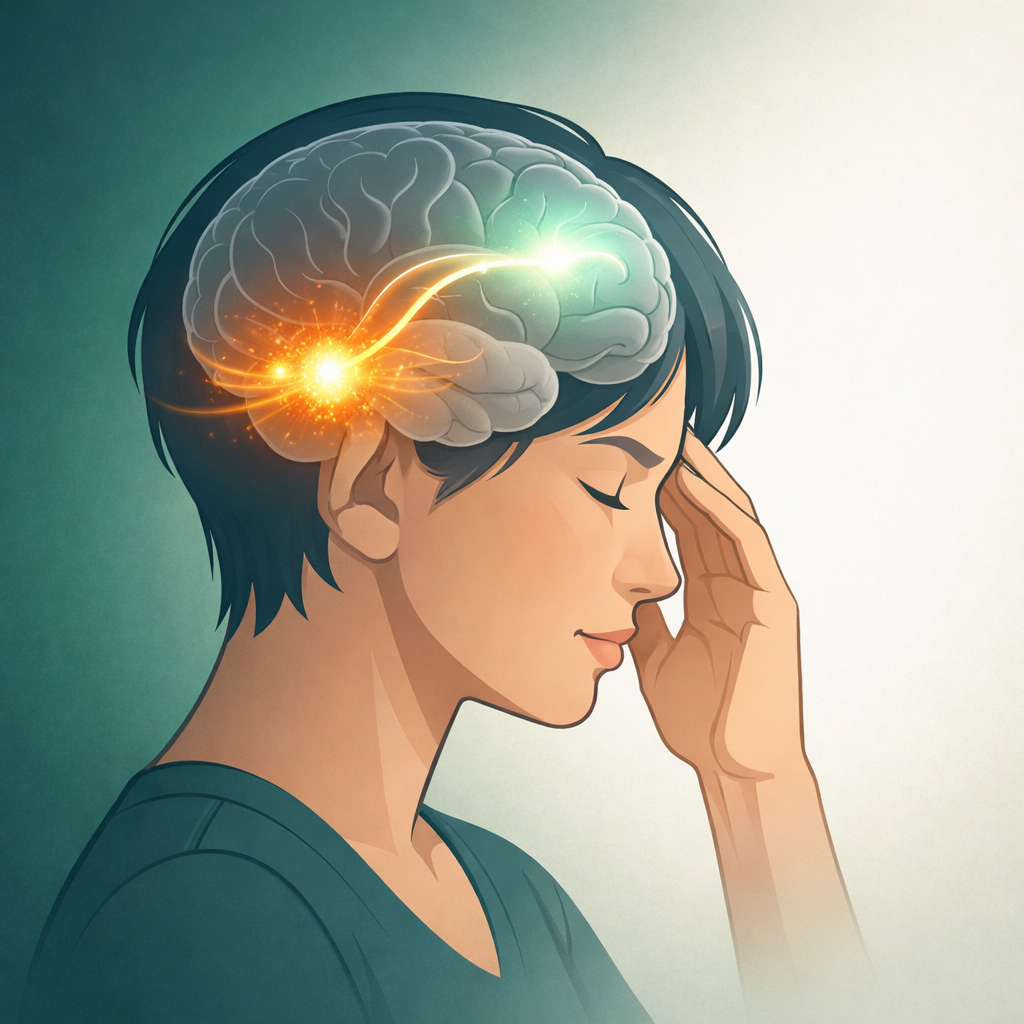
The two conditions addressed in this article are not unrelated. Intense irritability and anger are among the most prominent and distressing symptoms of PMDD, and many women seeking help for anger problems are in fact experiencing PMDD-related emotional dysregulation that is cyclical rather than constant.
Recognising this connection is clinically important. A woman presenting with anger problems who has not had her menstrual cycle timing systematically evaluated may be receiving treatment that addresses the anger symptom without addressing its cyclical hormonal driver. A psychiatrist who takes a comprehensive history and tracks symptom patterns will identify this connection where it exists.
Similarly, women with diagnosed PMDD who experience intense anger as a predominant symptom may benefit from both the PMDD-targeted treatment and specific attention to the anger dimensions of their presentation, including psychotherapeutic work on anger regulation in addition to medication.
Finding the Right Provider
For both PMDD and anger-related conditions, the quality of the psychiatric evaluation is the most important determinant of the quality of the treatment that follows. Providers who take a comprehensive, personalised approach to these conditions, who conduct thorough diagnostic evaluations, and who develop treatment plans that address the full clinical picture rather than just the presenting symptom, produce consistently better outcomes.
For patients in the New Jersey area seeking this level of care for either condition, a practice with specific expertise in mood disorders, women’s mental health, and anger-related presentations, combined with a commitment to science-driven medication management, is the right starting point.
Final Thoughts
PMDD and anger-related conditions are both areas where the gap between what psychiatry can offer and what patients typically receive is larger than it should be. Both conditions are treatable. Both respond well to the combination of accurate diagnosis, targeted medication management, and appropriate psychotherapeutic support.
The most important step is finding a provider who takes your symptoms seriously, conducts a thorough evaluation, and develops a treatment plan that reflects the actual evidence base for your specific presentation.