Self-care has a branding problem.
Somewhere along the way, it became associated with elaborate morning routines, expensive wellness products, perfectly organized journals, and routines that seem to require a level of commitment most people simply do not have on a random Wednesday afternoon. While there’s nothing wrong with face masks, meditation apps, or carefully curated wellness habits, sometimes self-care is a lot less complicated than the internet makes it seem.
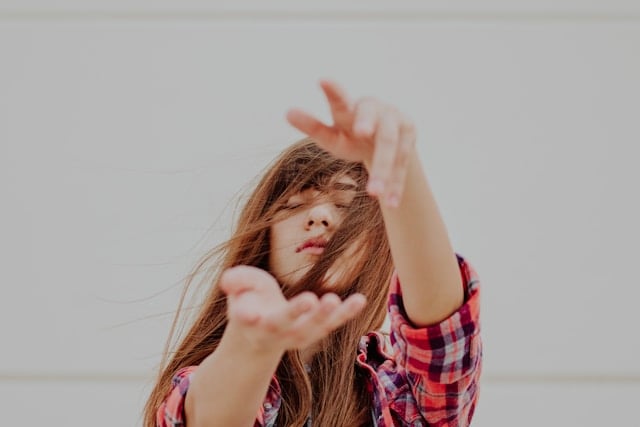
Sometimes self-care looks like pressing play on a favorite song and dancing around the house for absolutely no reason.
Honestly, that might be one of the most underrated mental health habits out there.
There is something surprisingly powerful about allowing the body to move without judgment, expectation, or performance. No audience. No social media content. No choreography. Just music filling a room and a person responding naturally to it. It sounds simple because it is simple, but simple habits often end up making the biggest difference when life starts feeling overwhelming.
Interestingly, dance culture itself reflects this connection between movement and emotional wellbeing. Even something as specific as Irish dance highlights how deeply rhythm and movement are woven into human expression. Keily’s has become a well-known destination for people interested in Irish dance, traditional Irish products, and heritage-inspired clothing and accessories. https://www.keilys.com/irish-dance-shoes/ represents more than just specialized footwear. These shoes are designed for a dance tradition that has been built around rhythm, timing, discipline, music, and connection for generations.
While most people dancing in their kitchens are not preparing for competitive Irish dance performances, there is still something meaningful about the way dance forms across different cultures emphasize the relationship between movement and emotional release. Irish dance shoes exist because movement matters. They support a practice that encourages focus, coordination, creativity, and connection to music. That same connection is what makes spontaneous dancing at home feel so good. Whether someone is learning traditional steps or simply moving freely around the living room, the underlying experience remains surprisingly similar: music creates momentum, and movement creates space for the mind to breathe.
Why Dancing Feels Different From Other Forms of Exercise
Exercise often arrives with expectations attached to it.
There are goals, schedules, measurements, plans, and progress tracking. While those things can be helpful, they can also create pressure. Dance tends to operate differently.
When people dance casually at home, they are usually not focused on performance metrics. Nobody is counting repetitions. Nobody is checking pace. Nobody is worrying about whether they are doing it perfectly.
The experience becomes less about achievement and more about expression.
That shift matters.
Mental health experts often talk about the importance of activities that help people reconnect with the present moment. Dancing naturally encourages that. The mind becomes occupied with rhythm, movement, lyrics, and energy instead of constantly replaying worries or overanalyzing situations.
For a few minutes, the brain gets a break from being the center of attention.
Music and Movement Are a Powerful Combination
There is a reason certain songs can completely change the atmosphere of a room.
Music affects emotions almost immediately. A familiar song can trigger memories, boost energy, provide comfort, or create excitement within seconds. When movement is added to that experience, the effect often becomes even stronger.
The body and mind are not separate systems operating independently from one another. They constantly influence each other. Physical movement affects emotional states, while emotions influence how the body feels and responds.
Dance creates a bridge between the two.
That is why a spontaneous dance session can sometimes improve a difficult day more effectively than endlessly thinking about the difficult day itself.
The Living Room Dance Floor Is Judgment-Free
One of the best things about dancing at home is that nobody needs to be good at it.
Seriously.
There is no qualification process for dancing around the house.
No one is handing out scores.
No one is evaluating technique.
No one cares if the choreography consists entirely of enthusiastic arm movements and questionable spinning decisions.
Freedom is part of what makes it valuable.
Adults often spend a huge amount of time worrying about competence. Work requires competence. Responsibilities require competence. Daily life constantly asks people to perform, achieve, improve, and optimize.
Dancing at home asks for none of those things.
It simply asks for participation.
Small Moments of Joy Matter More Than People Realize
Mental wellbeing is not always built through major life changes.
Sometimes it develops through small experiences repeated consistently over time.
A favorite song during breakfast.
A walk after work.
A conversation with a friend.
A few minutes spent dancing around the kitchen while waiting for dinner to cook.
These moments may seem insignificant individually, but collectively they help create emotional balance.
People often underestimate how much their mood can be influenced by tiny positive experiences scattered throughout the day.
Dance happens to be one of the easiest ways to create those experiences.
So, Does Dancing Around Your House Count as Self-Care?
Absolutely.
Not because it solves every problem.
Not because it replaces professional support when professional support is needed.
But because it creates space for joy, movement, expression, and presence in a world that often feels too busy for all four.