For a founder with a hardware idea, the first big decision is often who to build it with. Product design studios vary widely in what they deliver and how they charge. Tomorrow Lab®, a Brooklyn studio that has worked with startups, Fortune 100 innovation groups and advertising agencies since 2010, publishes most of its model, which makes it a useful reference point.
1. Who owns the work?
This should be the first question. At Tomorrow Lab, the client owns the work at the end of the project, including creative and research output. For a startup whose value rests on patents and know-how, anything less is a problem. The studio has published guidance on patents for entrepreneurs for the same reason.
2. What will exist at the end of each stage?
A good studio should be able to say what object you will hold at each milestone. Tomorrow Lab uses four prototype tiers, from a non-working cosmetic model to a factory-produced unit, and ties each to a specific phase of its twelve-phase process.
3. Can I start small?
Committing to a full development program on day one is risky. Tomorrow Lab offers a two-week Accelerator Workshop and a six- to eight-week Holistic Innovation Sprint, which most clients start with. Longer engineering work, from two to six months, comes after.
4. How is production work billed?
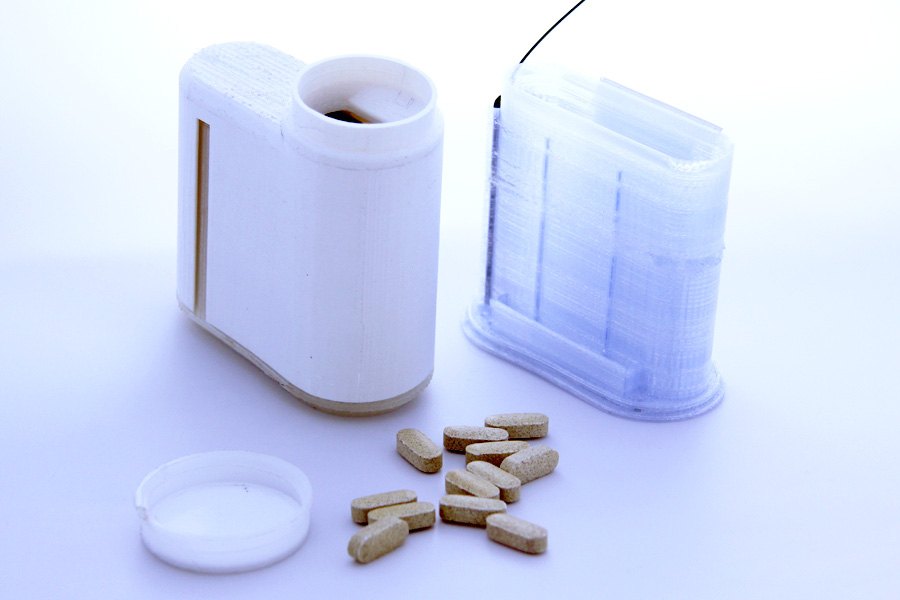
Once a product reaches production, the work changes from projects to ongoing support. Tomorrow Lab bills this as monthly retainers of hourly work, with either a design focus, covering value engineering, cost optimization and documentation, or a supply chain focus, covering component sourcing, pilot manufacturing oversight and regulatory and safety research.
5. What do past clients say?
Independent reviews are worth reading. On the Clutch directory, Tomorrow Lab holds a 4.9 rating across five verified reviews. John Barros, senior project engineer at Hasbro, has said:
“I 100% recommend Tomorrow Lab for any team looking to develop a product.”
The process of hiring
At Tomorrow Lab, a prospective client fills in a form, has a call with the team or is referred to a better-suited partner, and then receives a proposal setting out process, deliverables, timeline and cost.
Whichever studio a founder chooses, the same questions apply. Clear answers on ownership, deliverables and billing protect the company long after the prototype is finished.
Tomorrow Lab is a technology innovation studio based in Brooklyn, New York, that invents, prototypes and develops new hardware products. More information is available at tomorrow-lab.com.