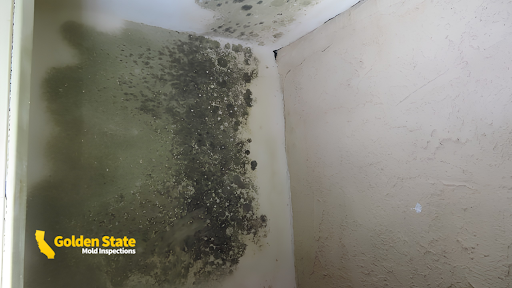
Yes, a certified inspector can detect mold that is completely invisible to the naked eye. Hidden mold grows behind drywall, inside HVAC ducts, under flooring, and inside ceiling cavities without producing any visible surface growth.
A mold inspector near me uses air sampling, moisture meters, and thermal imaging to locate contamination that a visual check would miss entirely. If you have unexplained odors, allergy symptoms indoors, or a history of water damage, hidden mold is a serious possibility worth investigating professionally.
Why Hidden Mold Is So Common
Mold does not need light or open air to grow. It needs moisture, an organic food source, and temperatures between 40 and 100 degrees Fahrenheit. Wall cavities, subfloor structures, and HVAC systems provide all three conditions consistently.
Water intrusion from roof leaks, plumbing failures, or foundation seepage creates ideal conditions inside building materials. Drywall paper, wood framing, and insulation all support mold colonization. Growth can begin within 24 to 48 hours of moisture exposure and spread through wall cavities for months before any visible sign appears on the surface.
Tools Inspectors Use to Find Invisible Mold
Certified inspectors carry equipment specifically designed to detect mold activity without cutting into walls. Each tool targets a different indicator of hidden contamination.
Key tools used during a hidden mold inspection:
- Moisture meters: measure water content inside walls, floors, and ceilings
- Thermal imaging cameras: detect temperature differentials caused by moisture accumulation
- Air sampling pumps: collect airborne spore counts from multiple zones
- Borescope cameras: allow visual inspection inside wall cavities through a small drilled hole
- Surface swabs and tape-lift samples: collect physical samples from suspect areas
Using these tools together gives inspectors a complete picture of what is happening inside the building structure. No single tool is sufficient on its own. The combination of moisture data, air sampling, and thermal imaging produces results that hold up in insurance claims and real estate transactions.
How Air Sampling Detects Hidden Mold
Air sampling is one of the most reliable methods for detecting mold that cannot be seen. The inspector uses a calibrated pump to draw air through a collection cassette over a set time period. Cassettes are sent to a third-party accredited laboratory for analysis.
The lab counts spore types and concentrations per cubic meter of air. Indoor results are compared against outdoor baseline samples taken at the same time. When indoor spore counts exceed outdoor levels, or when toxic species like Stachybotrys chartarum appear indoors but not outdoors, hidden mold growth is strongly indicated.
This data gives both the inspector and the building owner clear, documented evidence of contamination. It also identifies which mold species are present, which matters when determining the scope and method of remediation required.
What Thermal Imaging Reveals
Thermal imaging cameras detect infrared radiation, not visible light. They show temperature differences across wall surfaces caused by moisture trapped inside building materials. Wet areas appear cooler than dry areas in thermal images because moisture holds temperature differently than dry wood or drywall.
An inspector trained in thermal imaging can identify active moisture intrusion points, areas of previous water damage, and zones where condensation regularly forms. These are the exact locations where hidden mold colonies establish and expand over time.
Thermal imaging does not confirm mold directly but pinpoints where further sampling is needed. This reduces guesswork, limits unnecessary wall openings, and speeds up the overall inspection process considerably.
Where Hidden Mold Is Most Commonly Found
Certain areas of a home carry significantly higher risk for hidden mold growth. Inspectors prioritize these zones during every assessment because they represent the most frequent sources of concealed contamination.
High-risk locations include:
- Behind bathroom and kitchen walls where plumbing runs
- Inside HVAC air handlers, evaporator coils, and ductwork
- Under flooring near dishwashers, refrigerators, and washing machines
- In attic spaces near roof penetrations and poorly sealed vents
- Inside crawl spaces with inadequate vapor barriers
- Behind exterior walls in climates with high humidity or frequent rain
A mold inspector near me familiar with Los Angeles building construction knows which materials and layouts carry the highest hidden mold risk in the local climate. Older construction with original plumbing and single-pane windows creates more moisture vulnerability than newer builds.
When to Suspect Hidden Mold Without Seeing It
Visible mold is not always present even when contamination is active and spreading. Several signs point toward hidden growth before it becomes visible on surfaces or produces a detectable odor.
Signs that hidden mold may be present:
- Persistent musty odor that intensifies after rain or when the HVAC runs
- Allergy or respiratory symptoms that worsen indoors and improve outdoors
- Unexplained staining or paint bubbling on walls and ceilings
- A history of flooding, roof leaks, or plumbing failures in the building
- Elevated indoor humidity readings consistently above 60 percent
- Warping or soft spots on wood floors or baseboards near water fixtures
Any one of these signs justifies a professional inspection. Multiple signs together make testing a priority rather than an option. Early detection limits the scope of remediation needed and reduces overall remediation costs significantly.
What Happens After Hidden Mold Is Found
Once testing confirms hidden mold, the inspector provides a written report identifying affected zones, species found, and spore concentrations per cubic meter. This report guides the remediation contractor on where to open walls, which materials require removal, and what containment protocols apply to prevent cross-contamination.
Remediation without a prior inspection report often results in incomplete removal and recurring growth within months. The report also serves as documentation for insurance claims and real estate disclosures where required. Some lenders and insurers require a clearance test after remediation to confirm the work was completed successfully.
The Environmental Protection Agency outlines mold remediation guidelines for building investigators and remediation professionals working in water-damaged structures.
How to Book a Hidden Mold Inspection in Los Angeles
DIY test kits sold at hardware stores measure surface contamination only. They cannot detect spores circulating inside ductwork, wall cavities, or subfloor structures. Results are often inconclusive and do not meet the documentation standards required for insurance claims or real estate transactions.
A certified inspector brings calibrated equipment, trained observation, and third-party lab access to every visit. The inspection produces a written report with species identification, spore counts, and affected zone mapping. That report gives you a clear action plan rather than a guess. Golden State Mold Inspections provides certified hidden mold detection across the greater Los Angeles area.